Acne, treated
seriously.
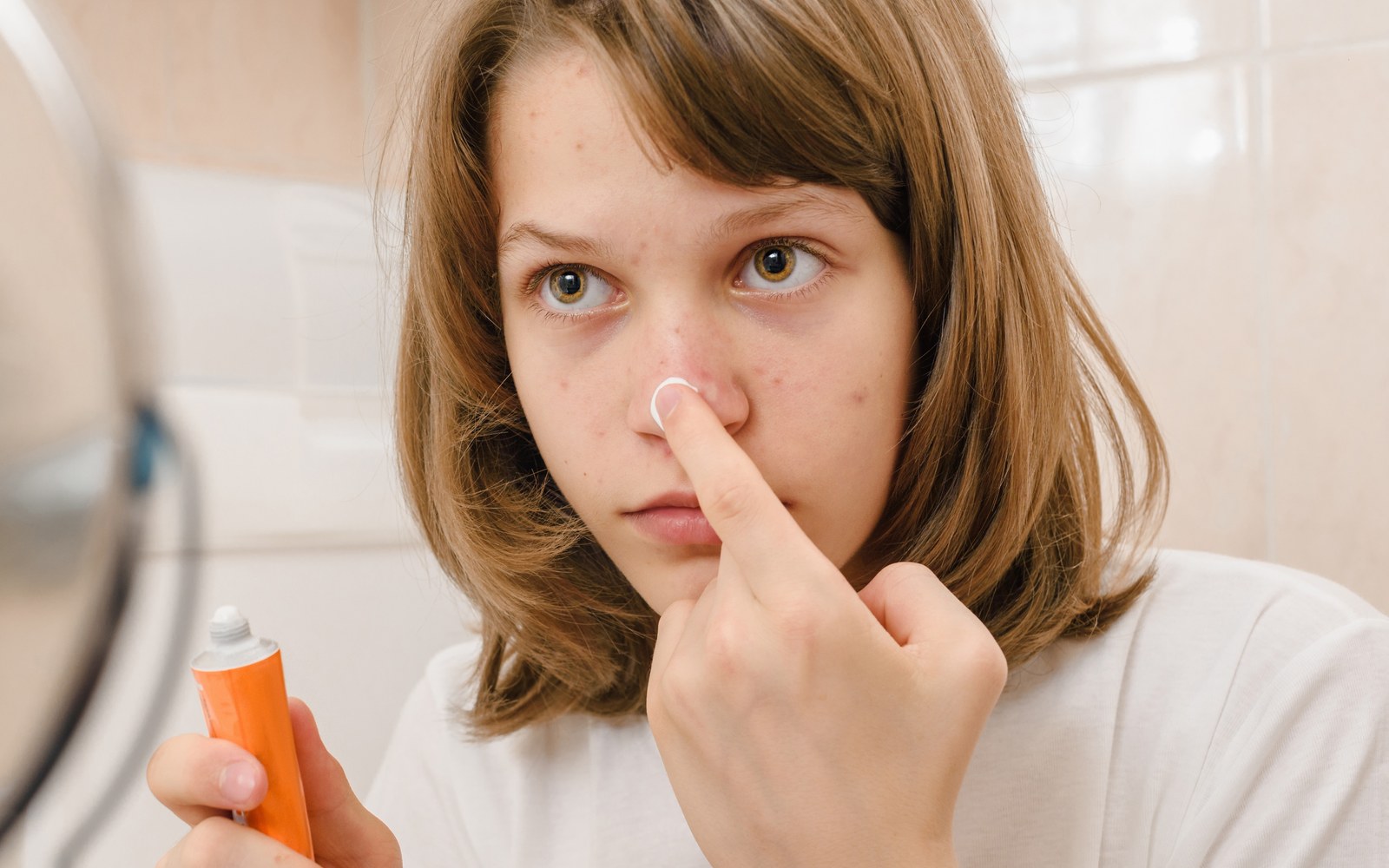
Acne is one of the most common skin conditions in America, and one we see every day. Treating it early protects your skin, and your confidence.
More than pimples, acne is a clogged-pore disease.
Most people think of acne as pimples, but in reality it's a bit more complicated than angry red spots on your face or body. Acne occurs when the pores on the face or body become clogged with oil, dead skin cells, and, in some cases, bacteria.
Pimples may be the most well-known form of acne, but it can also show up as blackheads, whiteheads, or deep and painful cysts. Trying to cover it up with makeup can irritate your face and actually make the acne worse.
According to the American Academy of Dermatology, around 50 million Americans are treated for acne every year, and 85% of people between the ages of 12 and 24 will experience at least one breakout. Teens aren't the only ones, over 50% of people over the age of 20 experience acne at some point in adulthood, with women significantly more likely to have persistent acne than men.
Three main types, each with its own treatment path.
Understanding the differences is key to effective care. Causes range from hormones and oil production to bacteria, medications, cosmetics, stress, diet and genetics.
Comedonal
Blackheads and whiteheads presenting as small clusters of bumps, smaller than traditional pimples, but still disruptive enough to warrant action.
Inflammatory
Red, swollen pimples that appear full of liquid. Often tied to hormonal changes, but with a myriad of other causes as well.
Cystic
One of the hardest types to treat, large, painful lumps that sit beneath the skin's surface and frequently scar without care.
Hormones & oil
Puberty, menstruation and pregnancy trigger breakouts, and excess oil production clogs pores when skin isn't properly cleansed.
Bacteria & products
Bacteria that live on the skin, certain medications, and non-dermatologist-friendly cosmetics can all clog pores. Look for mineral-based, non-toxic makeup.
Genetics & stress
Acne susceptibility often runs in families, and hormonal conditions such as PCOS cluster in families and frequently link to acne. Stress and diet can play a role too.
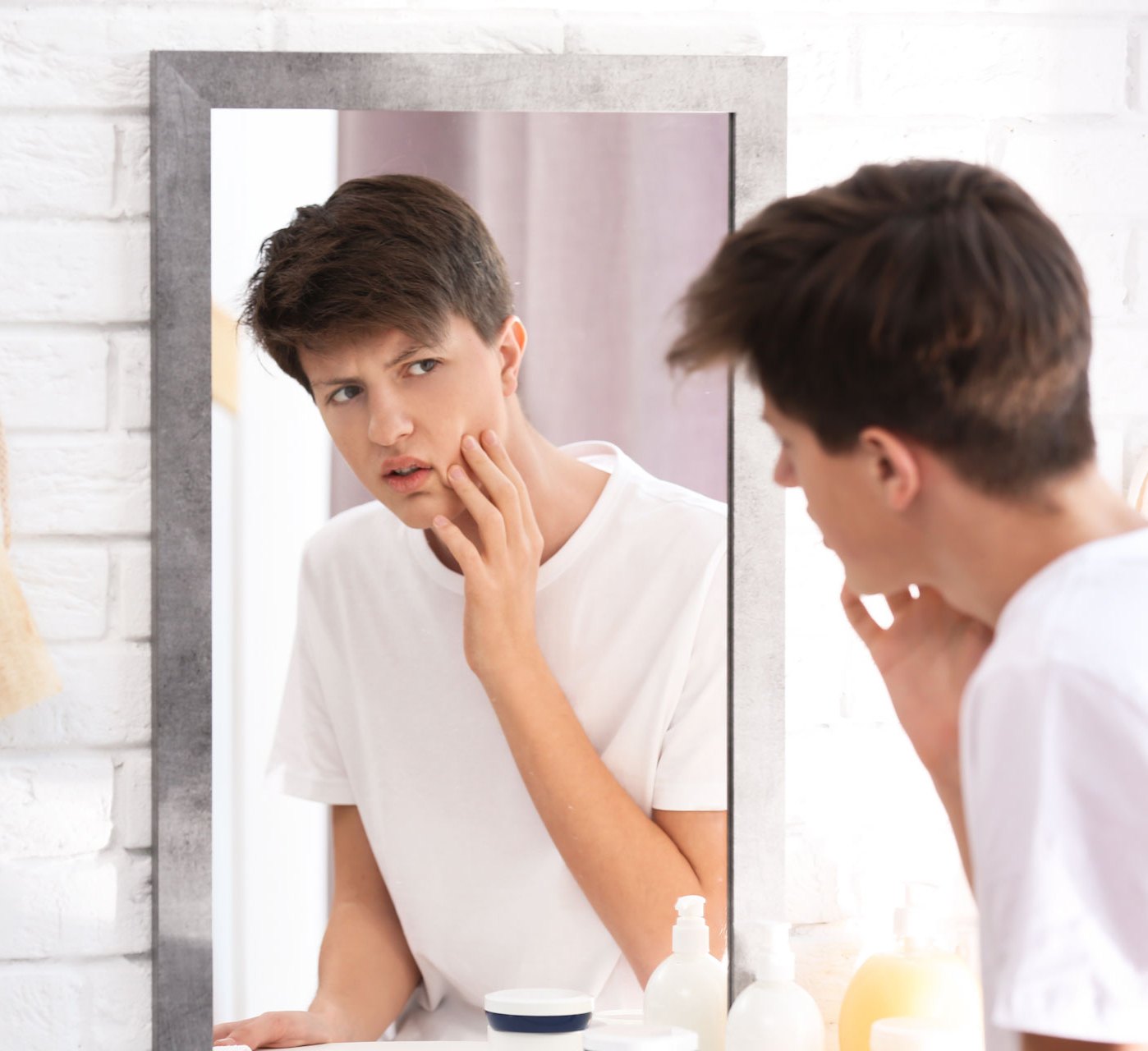
Not sure where to start? Start with a visit.
Effective treatments, matched to your skin profile.
At Pariser Dermatology we offer a variety of effective treatments geared toward providing the best results for every patient based on their individual skin profile, topical medications with benzoyl peroxide, salicylic acid or retinoids; oral antibiotics and hormonal therapy; isotretinoin for severe nodular acne that hasn't responded to other treatments; chemical peels; laser therapy targeting the sebaceous glands; and professional extraction of blackheads and whiteheads.
Treatments are not instantaneous, the skin has to heal before it can become blemish-free. Most patients see initial improvement within 4–6 weeks, though more serious cases may take longer to resolve. The key is following all recommendations consistently, both in and outside of the office.
Untreated acne can lead to scarring and dark spots that are far harder to correct later. Addressing acne early prevents those long-term issues, reduces the risk of chronic acne, and can meaningfully boost self-esteem and confidence.
Topicals
Creams and gels with benzoyl peroxide, salicylic acid or retinoids to clear and prevent lesions.
Oral therapy
Antibiotics, hormonal treatment, or isotretinoin for severe nodular acne.
In-office
Chemical peels and laser therapy to exfoliate and reduce oil production.
Extractions
Professional removal of blackheads and whiteheads to improve texture and prevent irritation.
What you can do at home, and when to call us.
Daily habits that help
- Cleanse your face gently every day with a non-toxic facial cleanser.
- Use non-comedogenic skincare and makeup products to avoid clogging pores.
- Avoid touching your face frequently to reduce the spread of bacteria.
- Use relaxation techniques to help manage stress-related breakouts.
- Stick to your dermatologist's routine and avoid skipping treatments.
Time to see a dermatologist
- Acne isn't responding to over-the-counter products after six to eight weeks.
- Breakouts are painful, deep or cystic.
- Acne is leaving scars or dark spots behind.
- Your skin is causing emotional distress or affecting your confidence.
Experienced acne care
- Board-certified dermatologists who treat acne every single day.
- Clinical staff who learn your lifestyle and skin type before recommending a plan.
- A comprehensive range of treatments under one roof.
- Seven convenient Hampton Roads locations, serving the community since 1946.
Answers are one call or one visit away.
Waiting for acne to clear on its own is frustrating.
Without treatment, acne can cause permanent scars, low self-esteem, depression and anxiety. To avoid these outcomes, dermatologists recommend treating acne rather than waiting it out.
When the skin clears, treatment should continue, treatment is what prevents new breakouts. Your dermatologist will tell you when you no longer need to treat acne to keep breakouts away.
Medical Dermatology
Board-certified dermatologists treating the full range of skin, hair and nail conditions across seven Hampton Roads locations.
View all medical servicesSchedule with the practice Hampton Roads has trusted since 1946.
To book your appointment with one of our medical providers, call (757) 622-6315 or schedule an appointment online.
Wherever you are in Hampton Roads, we're close.
From Norfolk to Williamsburg, seven offices, each staffed with board-certified dermatologists and supported by an in-house dermatopathology lab.
Schedule with the practice generations of Hampton Roads families have trusted since 1946.
Book online in under a minute, or call the office nearest you. New patients welcome.