Spider & varicose veins.
Facts before treatment.
Spider veins and varicose veins are different conditions. Understanding which veins are involved helps guide a conversation about treatment.
Different veins. Different considerations.
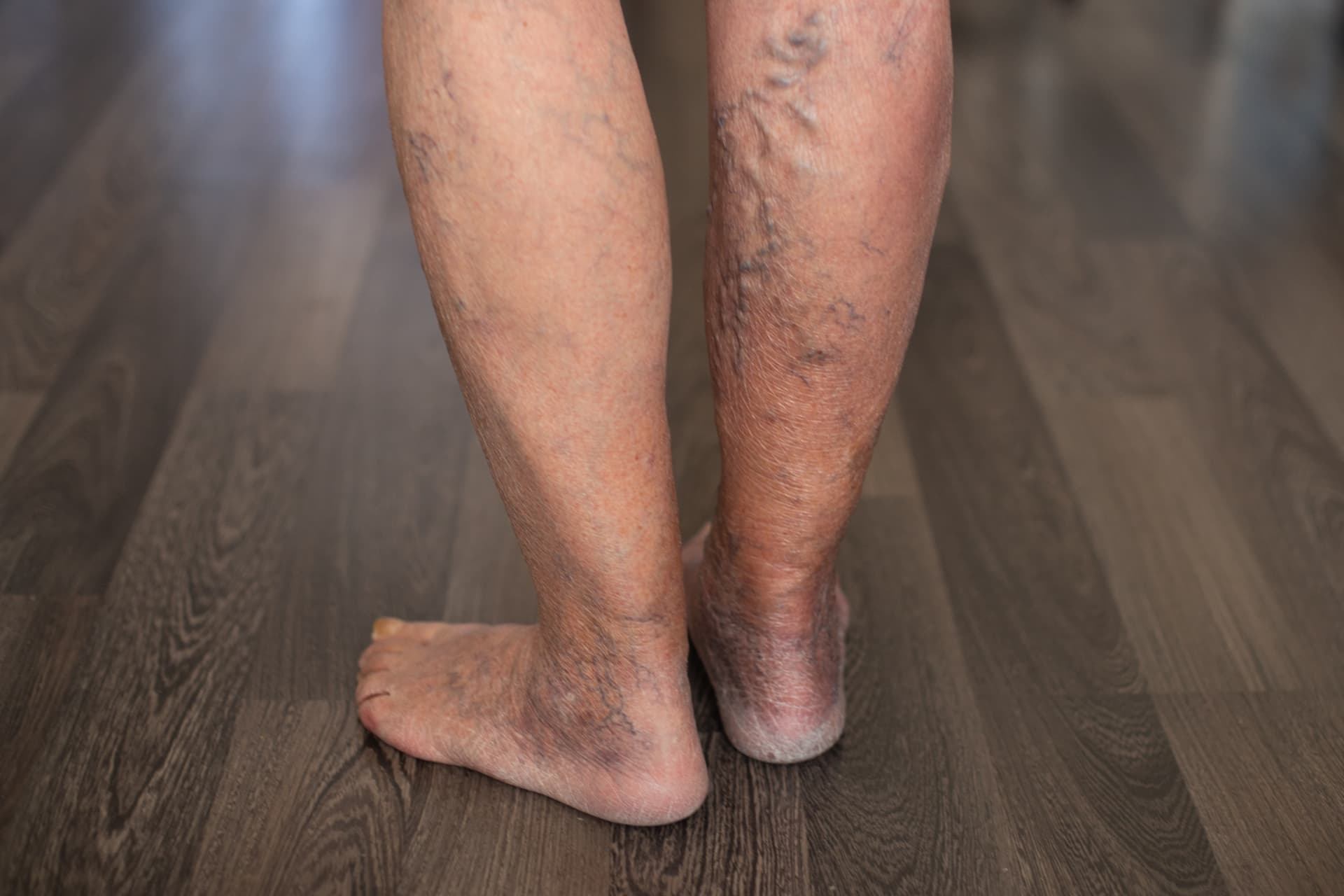
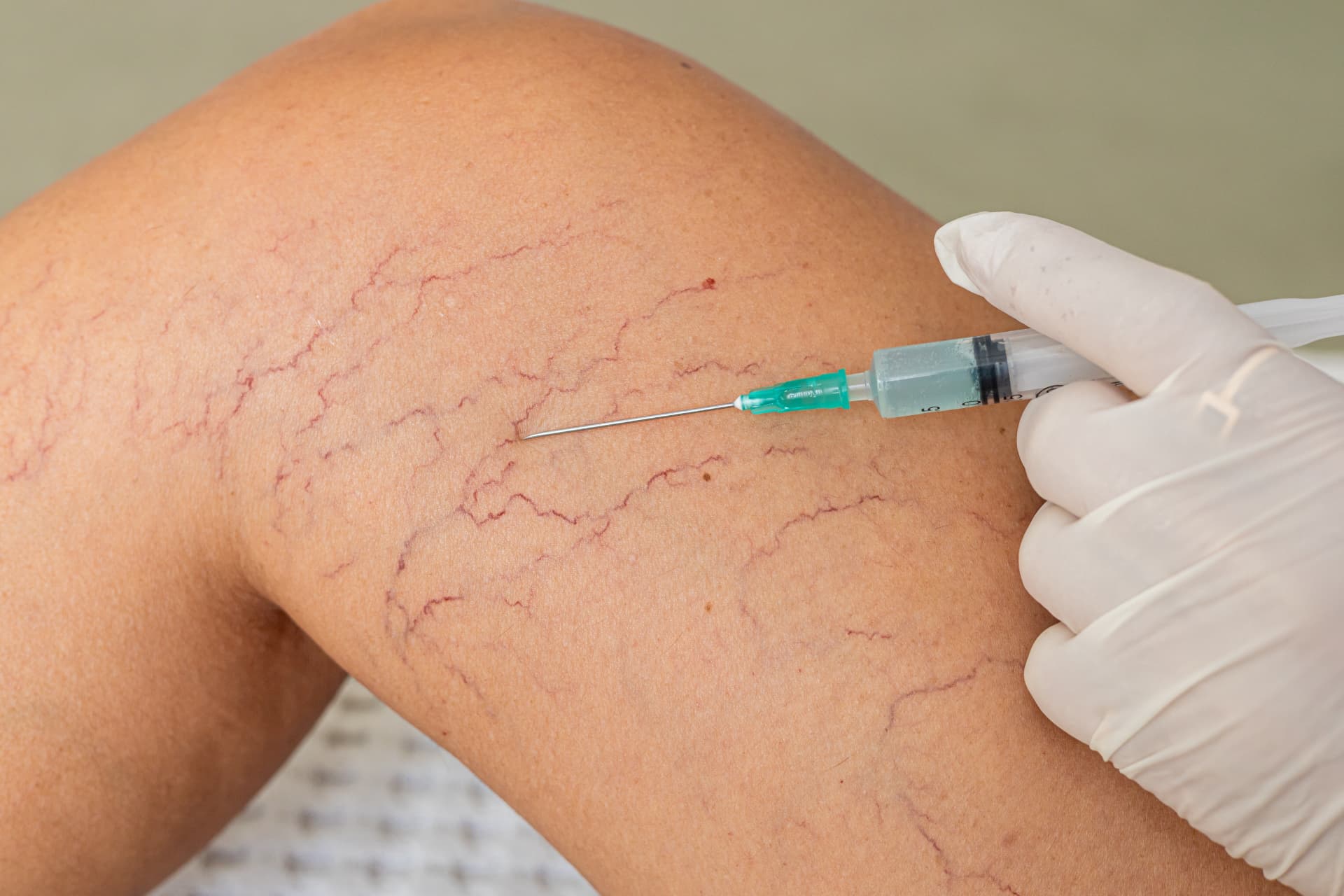
Spider veins, sometimes called roadmap veins, are tiny superficial blood vessels that increase in size over time and commonly occur on the legs. Women, people with a blood relative who has the condition and workers who stand regularly are more susceptible.
Varicose veins are larger, dilated blood vessels that can rise above the skin's surface and have a rope-like appearance. Most stem from a hidden vein trunk beneath the skin that needs to be addressed for treatment to be successful.
Our vein-therapy information draws on advice from dermatologist Robert A. Weiss, MD, FAAD, of Johns Hopkins University School of Medicine in Baltimore. Discuss your own concerns with a dermatologist to separate facts from common myths and find out which options are appropriate and available for you.
Tiny and flat at the surface
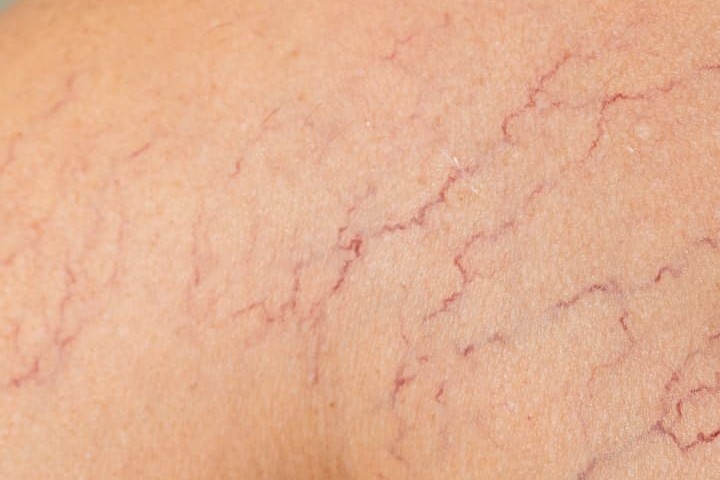
- What they look like. Very tiny superficial blood vessels that commonly occur on the legs and increase in size over time.
- Who gets them. Women, people who have a blood relative with the condition, and workers who stand regularly in their jobs are more susceptible.
- How they're treated. Sclerotherapy is considered the gold standard, using hair-thin needles so large areas can be treated efficiently.
Larger, raised and rope-like
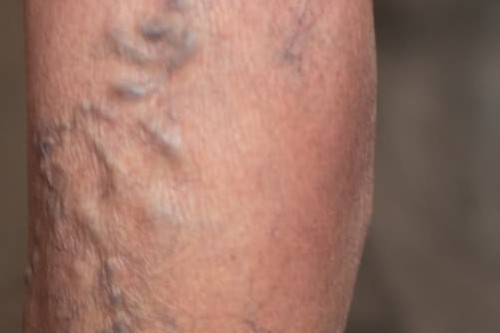
- What they look like. Larger, dilated blood vessels that can rise above the skin's surface and have a rope-like appearance.
- Where they come from. Most stem from a hidden vein trunk beneath the skin's surface that must be treated for any procedure to be successful.
- How they're treated. Laser fibers or radiofrequency heat are delivered to the underlying trunk; the treated vein is then reabsorbed by the body.
Understand how vein treatments work.
These approaches are described in our vein-therapy educational material. Your assessment determines what is suitable; ask us about current treatment availability and whether referral is needed.
Sclerotherapy
Described as the gold standard for spider veins, this uses hair-thin needles to deliver a solution that irritates the vessel lining. The vessel swells, sticks together and clots, then becomes scar tissue that gradually fades.
Laser therapy
For varicose veins, tiny laser fibers can be delivered through a needle puncture to the main vein trunk responsible for the visible veins.
Radiofrequency
Radiofrequency energy is converted to heat to collapse a varicose vein. The treated vein is then reabsorbed by the body.
Not sure where to start? Start with a visit.
Don't let myths guide your care.
Heredity accounts for 80 percent of people who develop spider veins in the expert guidance on our site. Crossing your legs does not cause them, and vitamin supplements do not prevent them.
Tanning does not hide spider veins. Excessive sun exposure can contribute to them: ultraviolet light breaks down collagen in vessel walls and can cause veins to thin and spread.
The same guidance notes that gaining weight does not cause spider veins and that weight loss can reveal veins beneath the skin. These points are not weight-management advice; a dermatologist can help explain what is affecting the appearance of your skin.
With sclerotherapy, the treated vessel turns into scar tissue over a matter of weeks. It eventually fades and becomes barely noticeable. Treatment choice depends on the veins involved.
The original guidance, in context.
Not the same as veins
- Cellulite is a hormonally influenced condition involving fat and fibrous tissue that creates dimpling.
- Liposuction removes excess fat but does not improve cellulite and can make depressions more visible.
- The original expert article describes lasers and light sources being studied, not guaranteed results.
- It describes red and infrared LEDs combined with rollers and suction; ask about current evidence and availability.
Reduce infection risks
- Poor sanitation can lead to fungal infections and antibiotic-resistant staph infections, including MRSA.
- Ask how instruments are cleaned and avoid salons that do not appear clean.
- Consider bringing your own instruments for regular pedicures.
- Do not push back cuticles or aggressively file and buff the base of the nail: the cuticle is a protective barrier.
Ask a dermatologist
- Spider veins and varicose veins require different considerations.
- Varicose veins may arise from a hidden vein trunk.
- Cellulite treatment is separate from vein therapy.
- Discuss skin, hair or nail concerns rather than relying on myths.
Answers are one call or one visit away.
Good information. An informed next step.
Treating the visible veins alone may not be enough for varicose veins. The underlying vein trunk must be considered when planning care.
Talk with a dermatologist about your concerns, the differences between treatment approaches and the options currently available for your situation.
Medical Dermatology
Board-certified dermatologists treating the full range of skin, hair and nail conditions across seven Hampton Roads locations.
View all medical servicesSchedule with the practice Hampton Roads has trusted since 1946.
To discuss spider veins, varicose veins or related skin concerns, call (757) 622-6315 or schedule an appointment. Our team can explain current treatment options and next steps.
Wherever you are in Hampton Roads, we're close.
From Norfolk to Williamsburg, seven offices, each staffed with board-certified dermatologists and supported by an in-house dermatopathology lab.
Schedule with the practice generations of Hampton Roads families have trusted since 1946.
Book online in under a minute, or call the office nearest you. New patients welcome.