Mohs surgery,
layer by layer.
A precise surgical technique for certain skin cancers, thin layers of tissue are removed and examined under a microscope until only healthy tissue remains.
The treatment of choice for basal and squamous cell carcinoma.
Mohs surgery is a surgical technique used for the treatment of certain skin cancers. During the procedure, thin layers of skin tissue are removed and examined under a microscope, layer by layer, until only healthy tissue remains.
This approach spares the greatest amount of healthy tissue, leaves minimal scarring, and makes the surgical defect as small as possible. Originally developed by Dr. Frederic E. Mohs in the 1930s, it remains the treatment of choice for basal cell carcinomas and squamous cell carcinomas of the skin.
At Pariser Dermatology Specialists we perform over 6,000 Mohs surgeries each year. Our primary goal is to keep you as comfortable as possible throughout your procedure. Our team will explain what to expect before, during, and after your procedure so you feel informed and prepared every step of the way.
Remove, examine, repeat until the margin is clear.
Only areas with cancer cells are sequentially removed, so normal healthy tissue is preserved.
Removal
The surgeon removes the visible portion of the cancer and places a temporary bandage on the incision.
Analysis
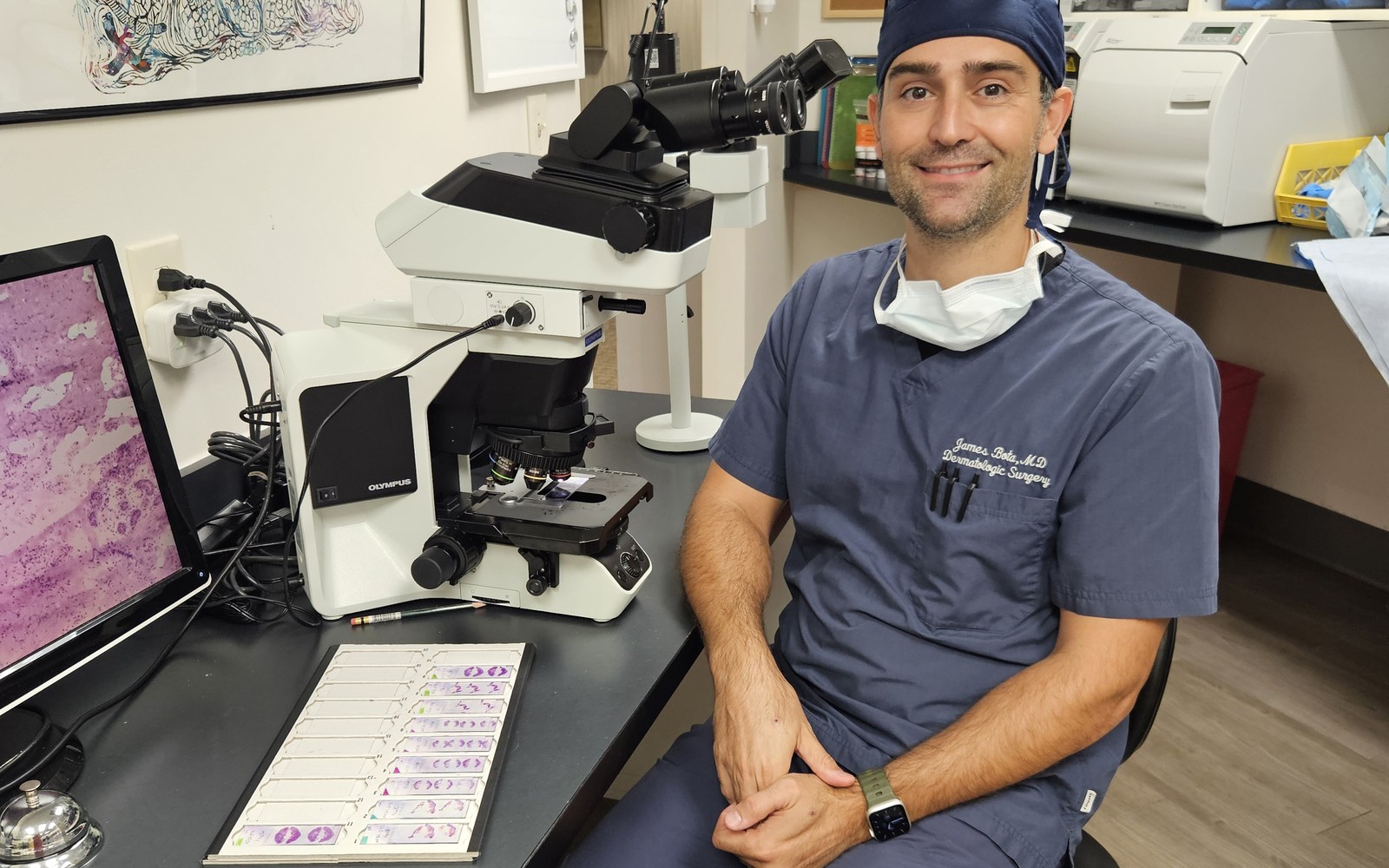
The tissue is taken to our laboratory for analysis, where it is processed by a histotechnologist and reviewed under the microscope by your surgeon.
Precision
If cancer cells are found, another layer of cancerous tissue is precisely removed, targeting only the areas that still contain cancer.
Clear margins
The process continues layer by layer until microscopically there is no longer any evidence of cancer remaining in the surgical site.
Closure
Depending on the size of the resulting wound, it may be left to heal on its own, repaired in-house, or reconstructed by a local plastic surgeon.
Comfort
Local anesthesia is used throughout, and our team reviews every step with you in advance so there are no surprises on the day.
Not sure where to start? Start with a visit.
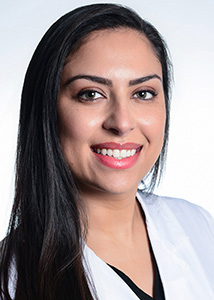
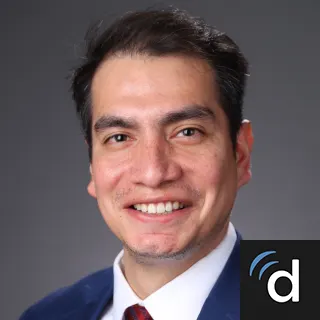
Four fellowship-trained surgeons, one standard of care.
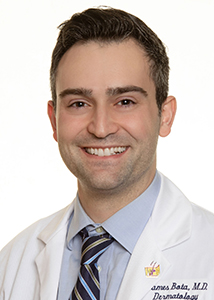
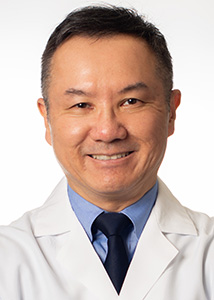
Pariser Dermatology Specialists is proud to have four fellowship-trained Mohs surgeons on our team: Dr. James Bota, Dr. Thomas W. Chu, Dr. Brianna Castillo and Dr. Luis Borda.
If you are referred to one of our surgeons by another dermatologist, you will initially be scheduled for a consultation to determine the best treatment plan for you. If your surgery does not require the Mohs technique, we may be able to perform it the same day as your consultation. If Mohs is the best approach, the procedure is scheduled for another day.
Schedule a Mohs consultationReferral
Referred by your dermatologist, or identified during a screening at one of our offices.
Consultation
Your surgeon reviews the biopsy, examines the site and determines the right technique.
Surgery day
Layer-by-layer removal with on-site microscopic review between each stage.
Repair
The wound heals on its own, is repaired in-house, or reconstructed by a plastic surgeon.
What to expect on the day of surgery.
Preparing for your procedure
- Bring a list of current medications, including blood thinners and supplements.
- Eat a normal breakfast and dress comfortably, surgery days can run several hours.
- Arrange a driver if the surgical site is near the eye or if you take sedating medication.
- Plan for downtime between stages; bring a book, tablet or work to pass the time.
- Review the Surgical Pre-Operative Instruction Sheet you should have received by mail for more extensive instructions.
In the surgical suite
- The area is numbed with local anesthetic, you remain awake and comfortable throughout.
- A layer of tissue is removed and a temporary bandage is applied.
- The specimen is processed and read on site while you wait in our recovery area.
- Additional layers are taken only where cancer cells remain.
Healing and follow-up
- Keep the wound clean and covered exactly as directed by your surgical team.
- Avoid strenuous activity and heavy lifting for the period your surgeon recommends.
- Expect some bruising and swelling, especially around the eyes and nose.
- Continue routine skin cancer screenings, a history of skin cancer raises future risk.
Depending on the size of the resulting wound, your surgeon will recommend the repair approach that gives the best functional and cosmetic result.
Answers are one call or one visit away.
The highest cure rate, with the least tissue removed.
Because every margin is checked microscopically before the procedure ends, Mohs surgery offers the highest cure rate of any treatment for basal cell and squamous cell carcinoma while preserving the maximum amount of healthy skin.
That precision matters most on the face, ears, hands and other areas where tissue is limited and cosmetic outcome counts. After surgery, ongoing skin checks help catch any new lesions early.
Medical Dermatology
Board-certified dermatologists treating the full range of skin, hair and nail conditions across seven Hampton Roads locations.
View all medical servicesSchedule with the practice Hampton Roads has trusted since 1946.
Call us at (757) 622-6315 or email info@pariserderm.com with questions about Mohs surgery, or schedule a consultation online.
Wherever you are in Hampton Roads, we're close.
From Norfolk to Williamsburg, seven offices, each staffed with board-certified dermatologists and supported by an in-house dermatopathology lab.
Schedule with the practice generations of Hampton Roads families have trusted since 1946.
Book online in under a minute, or call the office nearest you. New patients welcome.